Are Expensive Handmade Rugs Worth the Investment?
If you’ve ever stood in a rug showroom, felt the corner of a hand-knotted rug on the stack in your fingers and then glanced at the price, you’ve probably asked yourself the same question: are handmade rugs really worth the investment?
At The Rug Est, we don’t see rugs as disposable decor. We see them providing the quiet foundation of a home—pieces that set the tone for your space, ground your furniture and, if chosen well, stay with you throughout the seasons of life.
So when the price feels high, it’s worth unpacking what you’re actually paying for—and how that value plays out over time.
Where the cost really comes from
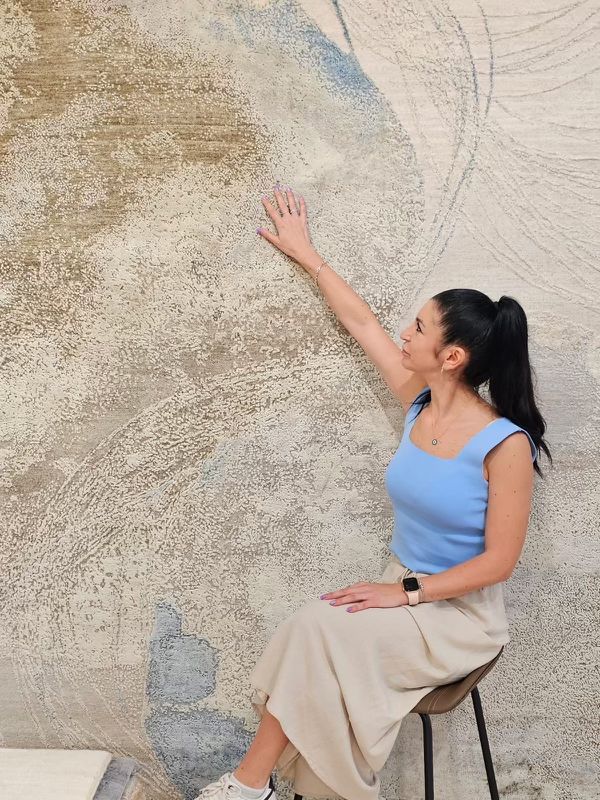
With handmade rugs, especially hand-knotted pieces, the price is mostly about time, skill and material - not brand markup.
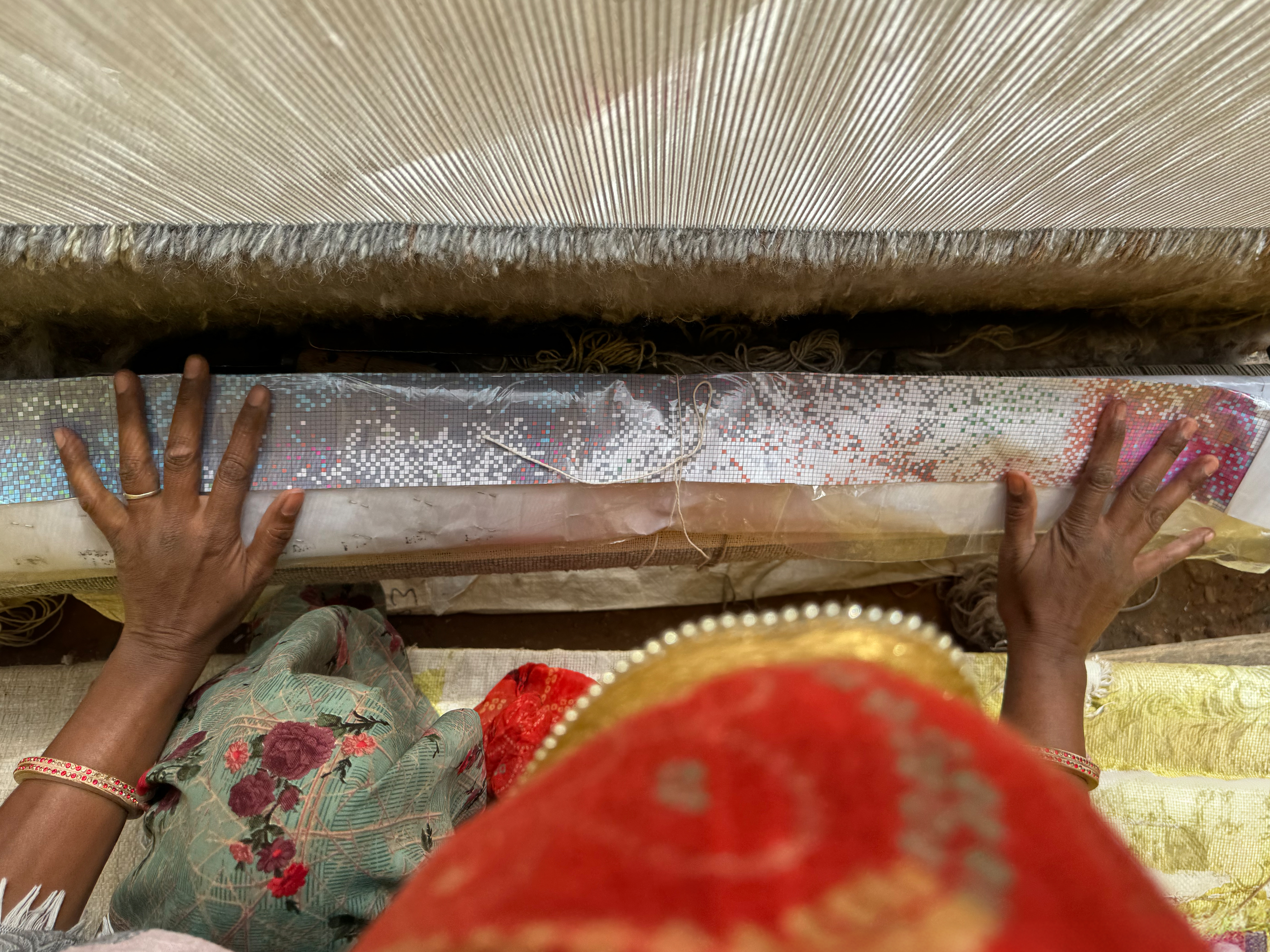
- Hundreds of hours at the loom: A single 2400x300 rug can take several months to complete, with each knot tied by hand. That’s slow, deliberate work that can’t be rushed without losing quality.
- Natural, long-lasting fibres: Premium wool, silk accents and natural dyes cost more than synthetics, but they’re also what allow the rug to develop a soft patina and deepen in tone as they age. Natural fibres also resist physical crushing and maintain their structural core instead of flattening and breaking down like synthetic fibres.
- Structural integrity: In a true hand-knotted rug there’s no glue, no machine backing and no shortcuts. Every knot is anchored to the warp, creating a piece built to last 50 years or more - with proper care.
Crafted for life, not for seasons
The real test of “worth it” isn’t the sticker price; it’s how the rug performs over 10, 20 or 30 years in your home.
- Cost per year: Replacing machine-made rugs every 5–10 years over 30+ years often costs more in total than one well-made hand-knotted rug that’s maintained and cared for
- Environmental Impact: Unfortunately, due to limited large-scale recycling options today, machine-made rugs often end up in landfill; choosing a hand-knotted rug of natural fibers with a longer life minimizes environmental impact over time.
- Resale and heirloom potential: High quality hand-knotted rugs hold their value when they have natural fibres, appropriate knot density and proper care; some even appreciate, especially antique or exceptional pieces. Mass-produced machine made rugs depreciate over short periods in line with their lack of longevity.
- Repair over replace: A good handmade rug can be professionally repaired, repositioned or passed on as part of your home’s story.
Why handmade rugs feel different in a space
- They age with character: Wool softens over time; colours mellow and the surface gains depth without looking tired. The rug becomes part of the room’s history rather than a temporary layer.
- They handle real life: High-quality wool resists soiling, hides foot traffic and bounces back from compression better than most synthetics. The natural crimp and dense inner structures in wool fibres absorb and distribute weight evenly, preventing the permanent compression common in synthetic options making it suited to living rooms, dining rooms and entryways.
That combination—beauty, durability and repairability—is what turns a rug from a purchase into an investment.
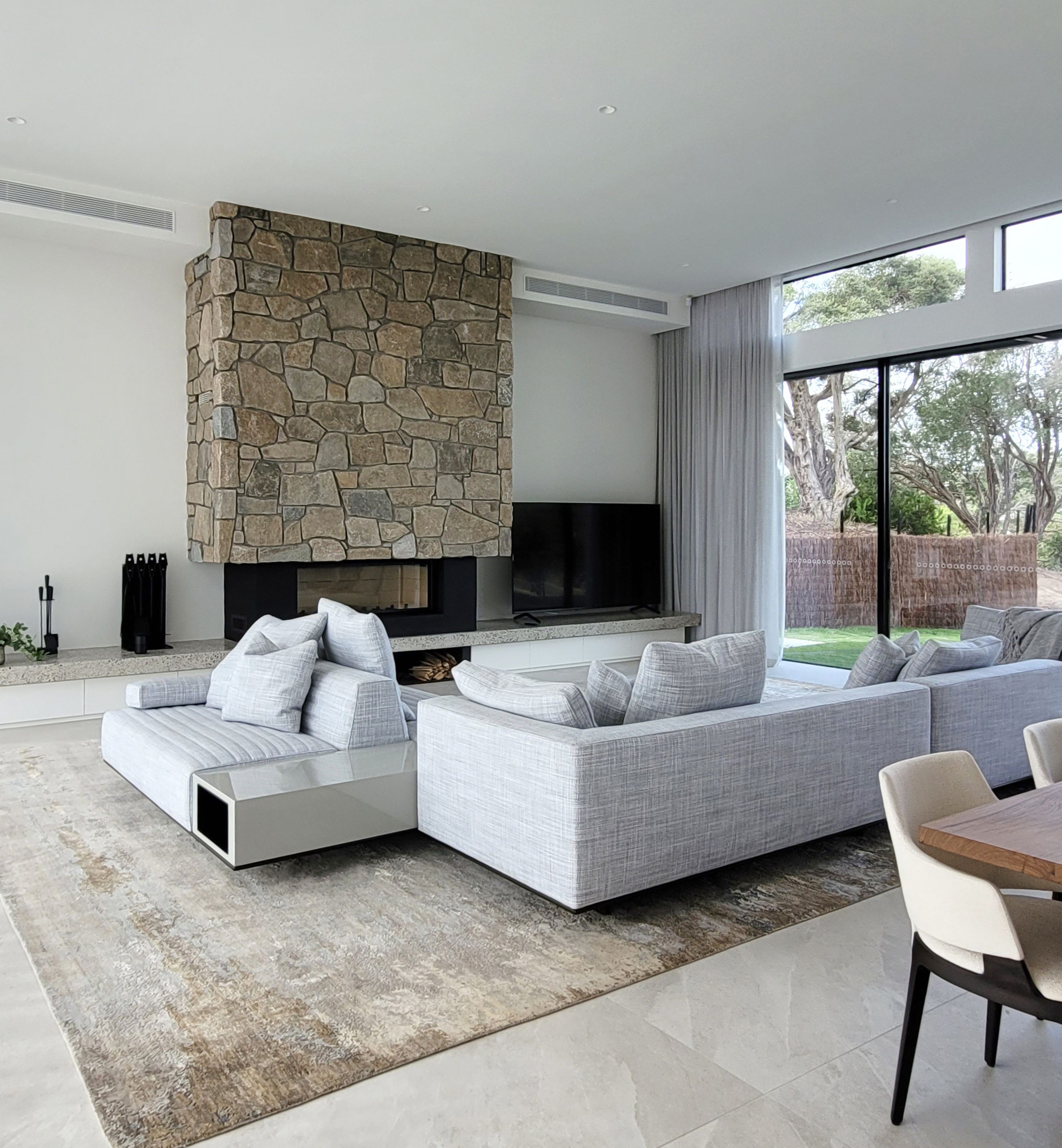
How to recognise a rug that justifies its price
Before you invest, it’s worth asking the right questions. Any reputable seller will be happy to talk you through them.
- Is it truly hand-knotted? The pattern of knots should be clearly visible on the back and not uniform in size and shape presentation. There should be no glued backing needed.
- What fibres have been used? Look for clear information about inclusion of natural wool, silk and ethical cotton warp and weft rather than vague “premium blend” claims.
- What’s the knot density? A higher knot count, for example 12/12 Persian or 120 knot Tibetan is indicative of a more durable piece; entry-level hand-knotted rugs often sit around 5/5 Persian knot count or 60 Knot Tibetan.
- Where and how was it made? Can the origin of the rug be traced? Can ethical production claims be verified?
- How do I care for it long-term? What cleaning is recommended? Can any damaged binding, fringe or pile be repaired? What does the warranty cover?
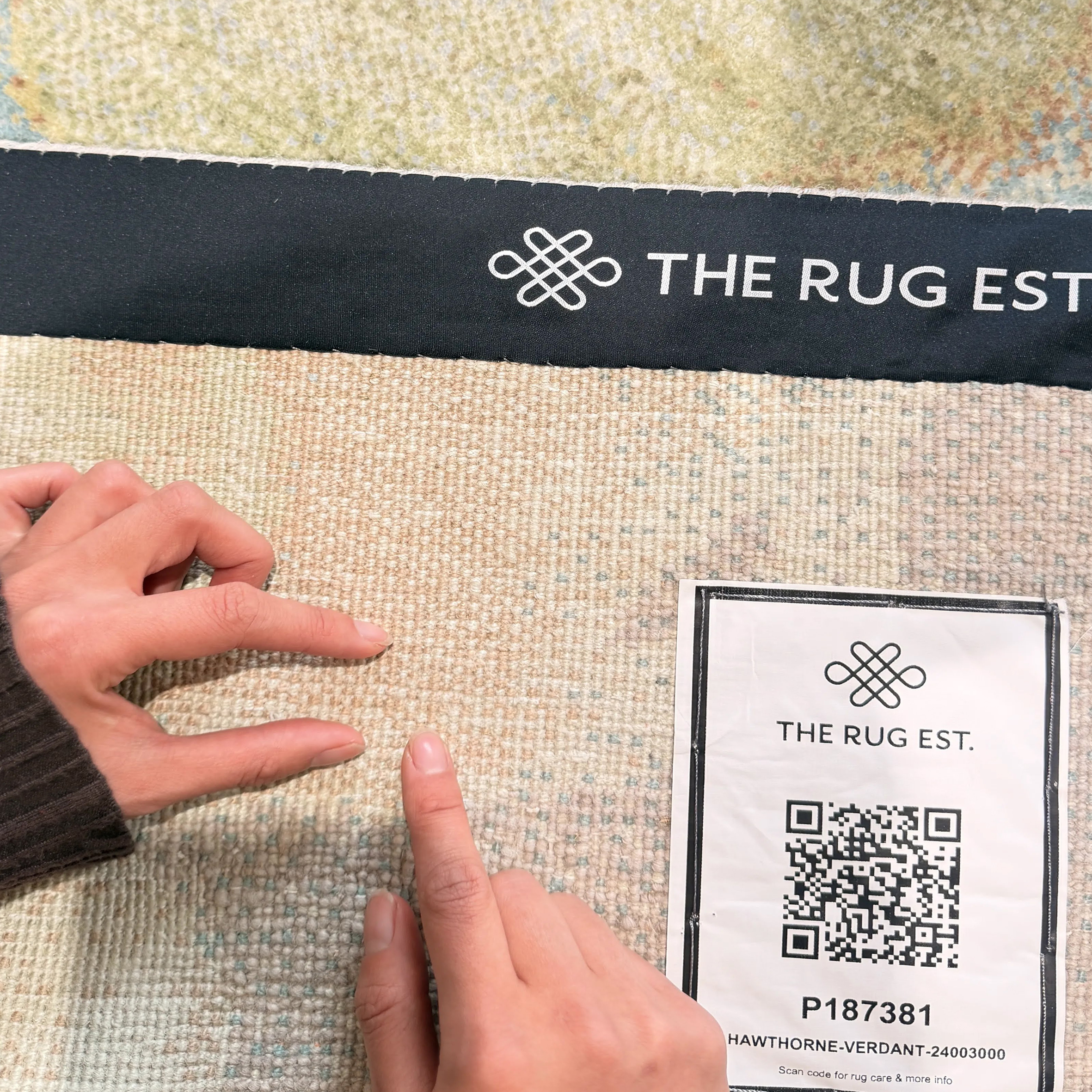
If the answers are clear, specific and confident, you’re likely looking at a piece that can stand the test of time.
For most homes, a well‑chosen hand‑knotted rug is worth the higher upfront cost because it lasts longer, performs better and costs less per year over time.